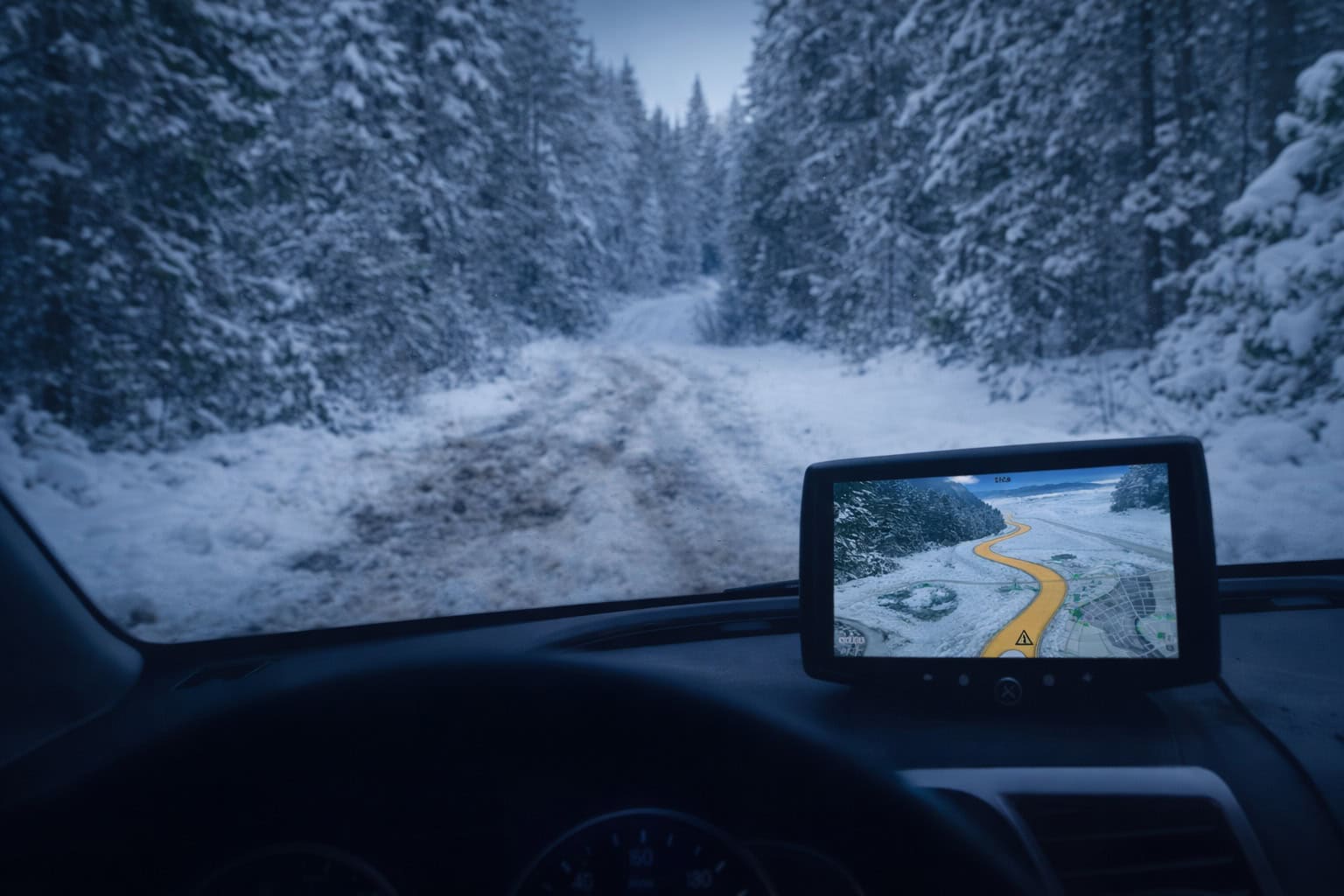
I was driving to a place I was planning to visit in Maine when my GPS took me down a road that slowly turned into snow, ice, and eventually something that didn’t resemble a road at all. At first, it seemed fine. There was a snowbank across the path; but another car had already gone over it. So I thought, this must be the way. I made it over easily. That felt familiar.
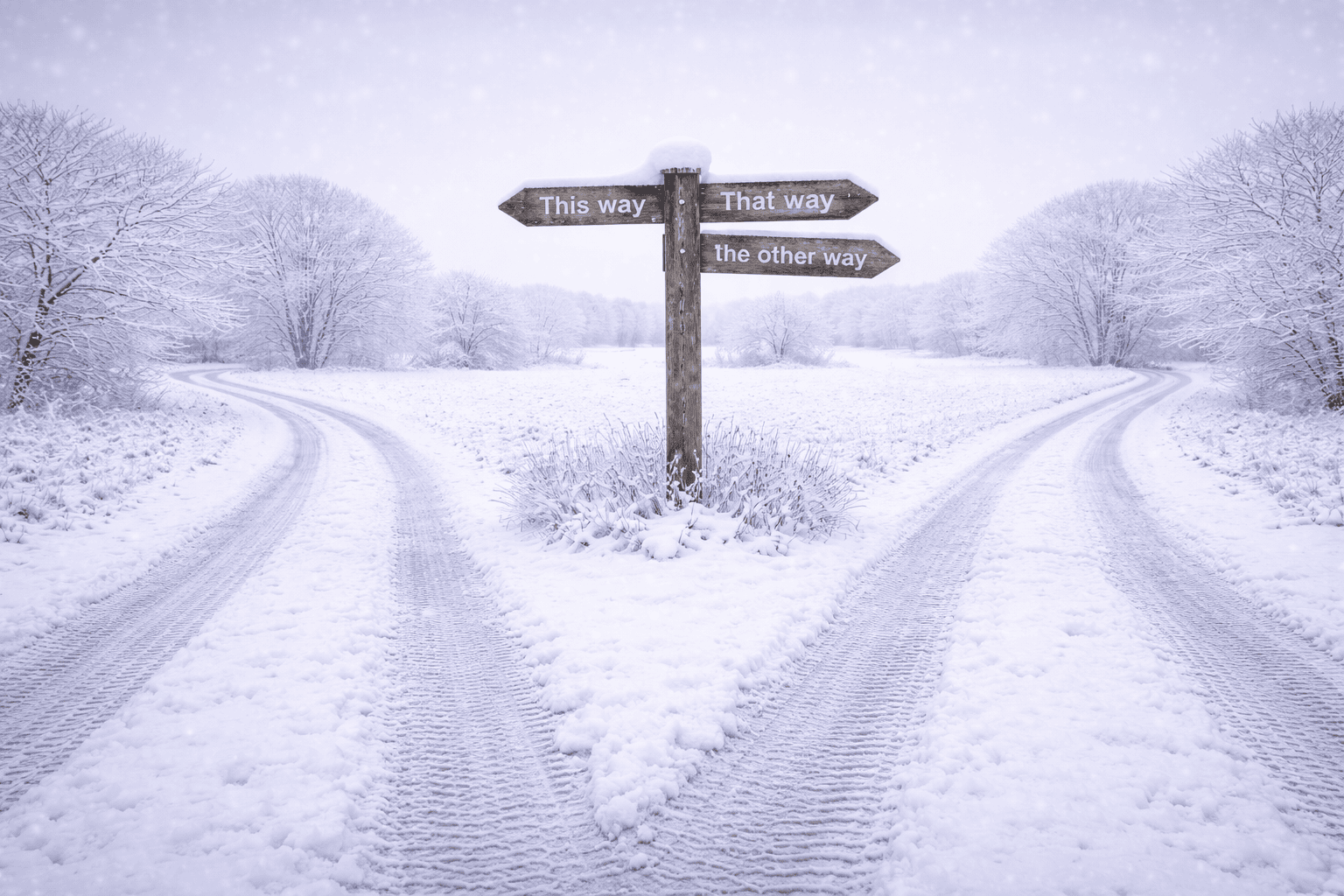
Because as parents, we’re often given directions what to do, where to go, what path will “work” for our child. And when we see that others have gone that way before, we trust it. We move forward hoping we’re on the right road.
So I kept going. More snow. More ice. Narrower road. And then… a gate. A clear signal that I had gone as far as I could go. So I backed up slowly, carefully, until I could find a place to turn around. Then I drove back toward that same snowbank. It looked a little higher this time—but I had made it once, so I trusted I could do it again.
And that’s where I got stuck.
The car was lifted onto the ice. My wheels weren’t even fully touching the ground. I couldn’t move forward or back. And I just sat there thinking, How did I get here?
As parents, this moment can feel all too familiar. We follow the path we’re given. We try what’s recommended. We keep moving forward, even when something doesn’t feel quite right. And then suddenly, we find ourselves stuck—unable to move forward, unsure how to go back, and questioning whether we ever should have taken that road at all.
And sometimes, we’re the ones who can’t find a path forward for our kids. That’s a hard place to be. Because underneath it is fear. Fear of making the wrong decision. Fear of what it means to change direction. Fear of having to dig deeper—not just into what our child needs, but into ourselves.
I got out of the car and started digging with the small shovel I had. No gloves. Sitting on my jacket. Just trying to create some movement, even if it was small. Then someone stopped. And then someone else came to help. And together, we figured it out. That part stayed with me.
Because how often do we try to do this alone? How often do we believe we should be able to figure it out, fix it, get our child back on track by ourselves? And yet, some of the most important shifts happen when we let someone else step in. When we listen to other parents who understand. When we allow support in, even when we’re not sure what that will look like.
The visit I was heading to that day was one where kids who may have been on a path that wasn’t working are given something different. Instead of being removed and left behind, they’re outside. Moving. Being guided by mentors. Having a chance to experience themselves in a new way. It made me think—maybe it’s not about getting back to the original path. Maybe it’s about finding a different one.
Not just for our kids, but for us too.
Before I left, one of the people who helped me said something I won’t forget: “The faster you’re trying to get somewhere… the slower it’ll take.” And that landed. Because when we rush—when we push for answers, for solutions, for progress—we can miss what’s actually needed. Time. Space. Support. A willingness to pause and reassess.
At places like PIVOTPoint WNC, slowing down is part of the process. Kids are met where they are, not where we wish they would be. And parents are invited to do the same: to step out of urgency and into understanding. Sometimes the snowbank is the moment that forces us to stop. Sometimes getting stuck is what opens the door to something new. And sometimes, the path forward isn’t something we find on our own; but something we discover when we’re willing to look up, take a breath, and let someone meet us right where we are.